
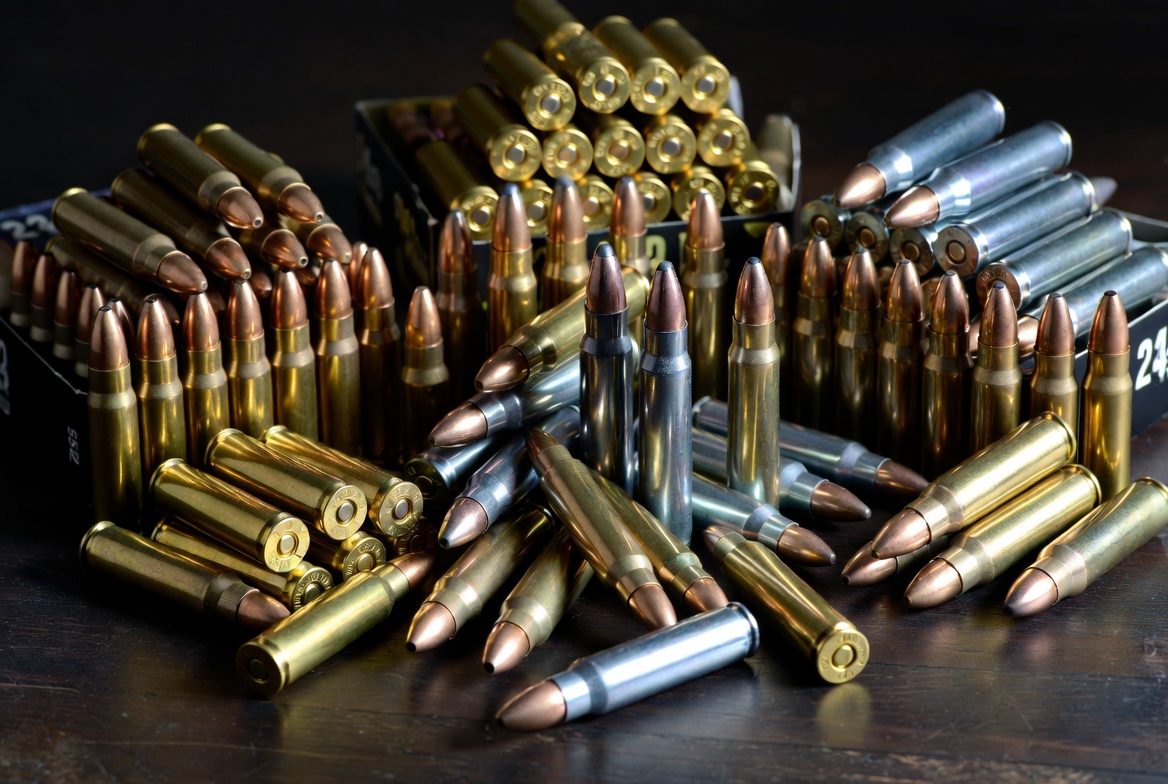
A Deep Dive Into One of America’s Most Versatile Cartridges
Few cartridges in American firearms history have achieved the kind of universal
acclaim that the .243 Winchester enjoys today. Celebrated by deer hunters in the
deep woods of Pennsylvania, prairie dog shooters on the open plains of Wyoming,
and competitive long-range marksmen across the country, the .243 Winchester has
carved out a permanent and beloved niche in the landscape of American shooting
culture.
What makes the .243 Winchester so special? The answer lies in its extraordinary
versatility. It is powerful enough to cleanly and ethically harvest deer, pronghorn,
and black bear, yet flat-shooting and accurate enough to reach out across hundreds
of yards to take varmints the size of a ground squirrel. The recoil is mild enough
to be handled comfortably by youth shooters and recoil-sensitive adults, yet the
ballistics are impressive enough to satisfy the most demanding experienced hunter.
In the United States, the .243 Winchester is not merely a cartridge — it is an
institution. It has been the “first deer rifle” cartridge for millions of American
hunters over the past seven decades. It has introduced countless young shooters to
the sport of centerfire rifle hunting and target shooting. And it remains, to this
day, one of the top-selling rifle cartridges in the country.
This blog takes a comprehensive look at everything there is to know about .243
Winchester ammunition in the USA — from its fascinating origins to modern-day
market trends, from terminal ballistics to legal considerations, and from factory
loads to the art of handloading. Whether you are a seasoned hunter, a new shooter,
or simply curious about this legendary round, this guide is for you.
HISTORY AND ORIGINS OF THE .243 WINCHESTER
THE BIRTH OF A LEGEND (1955)
The .243 Winchester was introduced by Winchester Repeating Arms Company in 1955,
chambered in the Model 70 bolt-action rifle and the Model 88 lever-action rifle.
Its introduction was a direct response to the growing popularity of the .257
Roberts and the .220 Swift among American hunters and varmint shooters who were
looking for a dual-purpose cartridge.
The cartridge was developed by necking down the .308 Winchester case — one of the
most successful military and sporting cartridges ever made — to accept a .243-inch
(6mm) diameter bullet. This relatively simple modification produced a cartridge with
remarkable characteristics: high velocity, flat trajectory, and low recoil, all
built on a proven, reliable parent case.
THE GUNWRITER INFLUENCE
Much of the .243 Winchester’s early success can be attributed to influential American
gunwriters of the era, most notably Warren Page, the shooting editor of Field &
Stream magazine. Page had championed the 6mm bore diameter for years and was one
of the most vocal advocates for what would become the .243 Winchester. His writing
reached millions of American hunters and shooters and helped generate enormous
enthusiasm for the new cartridge.
Simultaneously, Remington introduced its own 6mm offering — the .244 Remington —
in the same year. The two cartridges were remarkably similar in performance, yet
the .243 Winchester quickly won the commercial battle for reasons both technical
and marketing-related. Winchester wisely offered their Model 70 with a 1:10 twist
barrel, which could stabilize heavier 100-grain bullets suitable for deer hunting,
while Remington’s original 1:12 twist barrels favored lighter, faster varmint bullets.
Hunters who wanted a cartridge that could do double duty — varmints and deer — chose
the .243 Winchester in droves.
GROWTH THROUGH THE DECADES
Through the 1960s and 1970s, the .243 Winchester became one of the most popular
deer hunting cartridges in the eastern United States, particularly valued in states
like Virginia, West Virginia, Kentucky, and Tennessee, where shots in the woods
tended to be at moderate distances.
The 1980s and 1990s saw the cartridge cement its reputation as an ideal youth deer
rifle round. Its mild recoil (approximately 8-9 ft-lbs at the muzzle for typical
loads) made it the go-to recommendation for introducing young hunters to big game
hunting. Firearms manufacturers responded by chambering youth-sized and lightweight
rifles in .243 Winchester, further expanding its appeal.
By the 2000s, the .243 Winchester had evolved alongside advancements in bullet
technology. The introduction of high-performance bonded bullets, polymer-tipped
hunting bullets, and ultra-low-drag projectiles transformed what was already a
capable cartridge into an even more formidable performer across a wider range of
applications.
Today, the .243 Winchester remains one of the top five best-selling centerfire rifle
cartridges in the United States, a testament to its enduring excellence and appeal.
BALLISTICS AND TECHNICAL SPECIFICATIONS
CASE SPECIFICATIONS
Parent Case: .308 Winchester
Bullet Diameter: .243 inches (6.17 mm)
Neck Diameter: .276 inches
Shoulder Diameter: .454 inches
Base Diameter: .471 inches
Case Length: 2.045 inches
Overall Length: 2.710 inches
Primer Size: Large Rifle
Maximum Pressure: 60,000 PSI (SAAMI)
PERFORMANCE OVERVIEW
The .243 Winchester is capable of propelling bullets ranging from 55 grains to
115 grains, though the most common hunting and sporting loads fall between 75 and
105 grains. Here is a look at representative ballistic data across the common
bullet weight spectrum:
┌──────────────┬──────────────┬──────────────┬──────────────┬────────────┐
│ Bullet Wt. │ Muzzle Vel. │ Muzzle Energy│ 300yd Vel. │ 300yd Drop │
│ (grains) │ (fps) │ (ft-lbs) │ (fps) │ (inches) │
├──────────────┼──────────────┼──────────────┼──────────────┼────────────┤
│ 55 gr │ 3,910 fps │ 1,867 ft-lbs │ ~2,900 fps │ -4.8″ │
│ 70 gr │ 3,400 fps │ 1,797 ft-lbs │ ~2,600 fps │ -5.5″ │
│ 80 gr │ 3,350 fps │ 1,994 ft-lbs │ ~2,580 fps │ -5.2″ │
│ 95 gr │ 3,025 fps │ 1,930 ft-lbs │ ~2,400 fps │ -6.8″ │
│ 100 gr │ 2,960 fps │ 1,945 ft-lbs │ ~2,380 fps │ -7.1″ │
│ 105 gr │ 2,920 fps │ 1,987 ft-lbs │ ~2,360 fps │ -7.4″ │
└──────────────┴──────────────┴──────────────┴──────────────┴────────────┘
(Data based on 100-yard zero, standard atmosphere, 24″ barrel)
RECOIL COMPARISON
One of the most compelling selling points of the .243 Winchester is its gentle
recoil impulse. Here is how it compares to other popular deer cartridges:
.243 Winchester (100 gr): ~8.5 ft-lbs recoil energy
.308 Winchester (150 gr): ~18.0 ft-lbs recoil energy
.30-06 Springfield (165 gr): ~20.0 ft-lbs recoil energy
.270 Winchester (130 gr): ~14.5 ft-lbs recoil energy
.25-06 Remington (100 gr): ~11.0 ft-lbs recoil energy
The .243 Winchester’s recoil is roughly half that of the .308 Winchester, making
it dramatically more comfortable to shoot for extended sessions and for younger
or recoil-sensitive shooters.
TRAJECTORY AND WIND DRIFT
The .243 Winchester is well-known for its flat trajectory, particularly with
lighter, higher-velocity loads. A 100-grain bullet zeroed at 200 yards will
typically be:
- +1.5″ at 100 yards
- 0″ at 200 yards
- -6.5″ at 300 yards
- -19″ at 400 yards
This flat trajectory makes holdover compensation intuitive and facilitates
ethical shots at deer-sized game to 300 yards and beyond in the hands of a
competent rifleman with good technique and a quality rifle.
Wind drift is moderate for a high-velocity cartridge, better than most heavier,
slower rounds but not as wind-resistant as heavier-for-caliber 6mm bullets loaded
in magnum cartridges. A 10 mph crosswind will produce approximately 6-8 inches
of drift at 300 yards with a 100-grain load — a factor that must be accounted for
in long-range varmint shooting.
TYPES OF .243 WINCHESTER AMMUNITION AVAILABLE IN THE USA
The American ammunition market offers .243 Winchester in a remarkably wide variety
of loadings designed for different purposes. Here is a comprehensive breakdown:
FEDERAL PREMIUM VITAL-SHOK .243 WINCHESTER 100 GRAIN
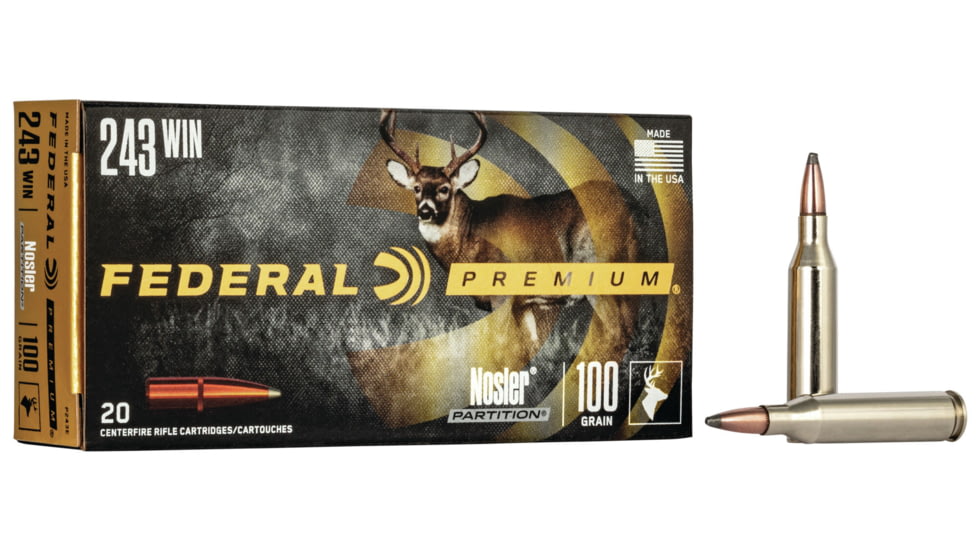
4.1 VARMINT AND PREDATOR LOADS (55–70 grain)
These loads feature light, high-velocity, thin-jacketed or hollow-point bullets
designed for explosive expansion at high velocities. They are ideal for prairie
dogs, ground squirrels, woodchucks, coyotes, and foxes.
Key characteristics:
• Very high velocity (3,400–3,900+ fps)
• Explosive, fragmenting expansion
• Minimal meat damage when used on edible game
• Extremely flat trajectories
• Not recommended for deer-sized game (risk of inadequate penetration)
Popular examples:
• Hornady V-MAX 55 gr — The gold standard varmint load; polymer tip initiates
rapid expansion even at long range when velocity has dropped.
• Federal V-Shok 55 gr Nosler Ballistic Tip — High velocity with reliable expansion.
• Winchester Varmint X 55 gr — Polymer-tipped, excellent accuracy.
• Remington Premier AccuTip-V 55 gr — Very consistent performance.
────────────────────────────────────────────────────────────────────────────────
4.2 DUAL-PURPOSE / DEER HUNTING LOADS (75–95 grain)
────────────────────────────────────────────────────────────────────────────────
The mid-weight category bridges the gap between varmint and big game hunting.
Bullets in this range are designed to deliver controlled expansion on deer-sized
game while still offering relatively flat trajectories and moderate recoil.
Key characteristics:
• Velocity range: 2,800–3,350 fps
• Designed for controlled, deep expansion
• Suitable for deer, pronghorn, and similar-sized game
• Many feature bonded or premium construction
Popular examples:
• Hornady Superformance 75 gr V-MAX — Outstanding for long-range varminting;
also capable on deer at close-moderate ranges in some configurations.
• Federal Fusion 85 gr — Specifically engineered for whitetail deer; bonded
core for deep, controlled expansion.
• Winchester Deer Season XP 85 gr — The polymer-tipped Extreme Point bullet
creates a large initial wound channel.
• Remington Core-Lokt 80 gr PSP — A classic, time-tested design with decades
of proven effectiveness on deer.
4.3 HEAVY DEER / ALL-AROUND HUNTING LOADS (95–105 grain)
NORMA WHITETAIL .243 WINCHESTER 100GRAIN
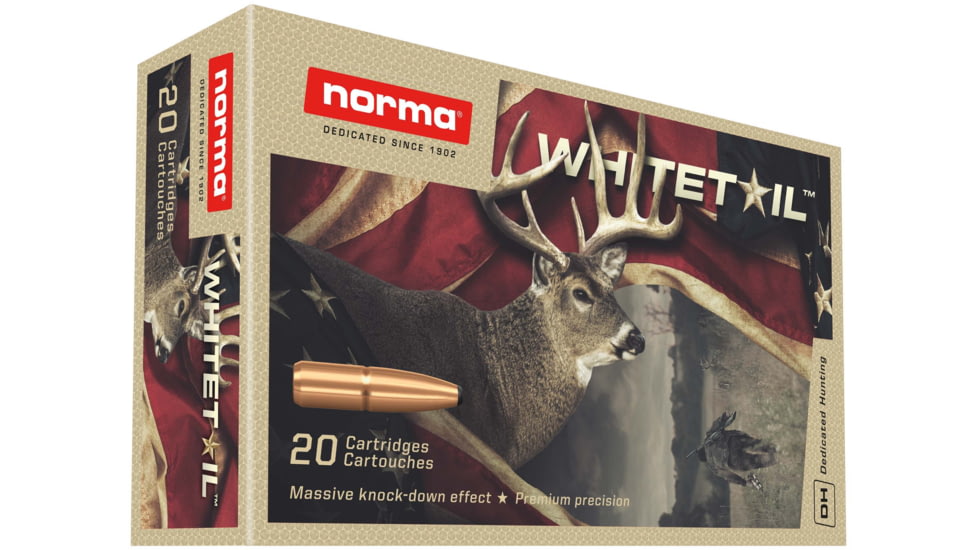
The heaviest conventional loads for .243 Winchester are the preferred choice of
deer hunters who want maximum energy transfer, deep penetration, and reliable
performance under varied conditions. These loads are the most popular choice for
whitetail, mule deer, pronghorn, and black bear hunters.
Key characteristics:
• Velocity range: 2,800–3,050 fps
• Maximum energy delivery for the caliber
• Heavier recoil (though still mild)
• Best wind-resistance in the caliber
• Ideal for shots out to 300+ yards on deer
Popular examples:
• Federal Premium Trophy Bonded Tip 95 gr — Premium bonded construction;
retains over 95% of its weight for deep penetration.
• Hornady ELD-X 97 gr — The Heat Shield tip maintains its shape and initiates
reliable expansion from close range to extended distances.
• Nosler Partition 95 gr — The legendary dual-core partition design provides
a controlled front section for expansion and a solid rear section for
deep penetration. Trusted by generations of American hunters.
• Federal Premium Trophy Bonded Bear Claw 95 gr — For those pursuing larger
game like black bear.
• Winchester Power-Point 100 gr — Affordable, proven, widely available.
• Remington Core-Lokt 100 gr PSP — Perhaps the all-time best-selling .243
Winchester load; inexpensive, effective, and incredibly consistent.
• Hornady InterLock 100 gr BTSP — Interlocking rings mechanically lock the
jacket and core together for controlled expansion.
────────────────────────────────────────────────────────────────────────────────
4.4 TARGET AND MATCH LOADS
────────────────────────────────────────────────────────────────────────────────
While .243 Winchester is not a dominant presence in formal precision rifle
competition (where 6mm Creedmoor and 6mm Dasher have largely taken over), it
remains popular for informal target shooting, F-Class competition at local clubs,
and benchrest shooting.
Popular examples:
• Hornady Match 105 gr BTHP — Boat-tail hollow point with extremely tight
tolerances; exceptional accuracy potential.
• Federal Gold Medal 70 gr Sierra MatchKing — Outstanding accuracy for
mid-range precision shooting.
• Nosler Custom Competition 105 gr HPBT — Match-grade construction from
one of America’s premier bullet makers.
────────────────────────────────────────────────────────────────────────────────
4.5 SUPPRESSOR / SUBSONIC LOADS
────────────────────────────────────────────────────────────────────────────────
While not as common as in pistol calibers, subsonic .243 Winchester loads exist
for use with suppressors. These are niche products but are available from some
specialty manufacturers and through custom loading.
────────────────────────────────────────────────────────────────────────────────
4.6 STEEL-CASED BUDGET AMMUNITION
────────────────────────────────────────────────────────────────────────────────
Several manufacturers offer steel-cased .243 Winchester ammunition at a
significantly lower price point, primarily for range practice and high-volume
shooting. These are typically not recommended for hunting due to inconsistent
performance and the inability to reload the cases.
• Tulammo Steel Case .243 Win
• Fiocchi Value Pack .243 Win
TOP AMERICAN MANUFACTURERS AND THEIR OFFERINGS
The United States is home to several world-class ammunition manufacturers, and
most of them produce extensive .243 Winchester lineups. Here is a look at the
major players:
────────────────────────────────────────────────────────────────────────────────
FEDERAL PREMIUM AMMUNITION — Anoka, Minnesota
────────────────────────────────────────────────────────────────────────────────
Founded in 1922, Federal is one of the oldest and most respected ammunition brands
in America. Their .243 Winchester offerings span multiple product lines:
• American Eagle (value/practice line)
• Power-Shok (affordable hunting)
• Fusion (deer-specific bonded bullets)
• Trophy Bonded Tip (premium hunting)
• Trophy Bonded Bear Claw (tough game)
• Gold Medal Match (precision target)
• Edge TLR (long-range hunting, polymer tip + AccuChannel groove)
Federal’s Fusion line deserves special mention — it was molecularly fused to the
case and has become one of the most popular deer loads across America since its
introduction.
────────────────────────────────────────────────────────────────────────────────
WINCHESTER AMMUNITION — East Alton, Illinois
────────────────────────────────────────────────────────────────────────────────
As the cartridge’s creator, Winchester holds a special place in .243 Winchester
history. Their offerings include:
• Super-X (traditional hunting, widely available)
• Power-Point (soft point, reliable expansion)
• Deer Season XP (extreme point polymer tip, large wound channel)
• Varmint X (varmint hunting with polymer tip)
• Supreme Elite (premium hunting line)
• Ballistic Silvertip (polymer tip for flat trajectory)
The Winchester Super-X 100 gr Power-Point is one of the most iconic .243 Winchester
loads in American history — generations of hunters have used it to take their first
deer.
────────────────────────────────────────────────────────────────────────────────
REMINGTON AMMUNITION — Lonoke, Arkansas
────────────────────────────────────────────────────────────────────────────────
Remington, America’s oldest gun manufacturer (founded 1816), produces a solid
lineup of .243 Winchester ammunition:
• Core-Lokt (the original controlled-expansion hunting bullet, introduced in 1939)
• Core-Lokt Tipped (modernized polymer-tipped version)
• Premier AccuTip-V (varmint)
• Premier Swift Scirocco (bonded premium hunting)
• UMC (practice/range ammunition)
The Remington Core-Lokt 100 gr PSP is arguably the most used .243 Winchester deer
hunting load in American history. Its simple, proven design has accounted for
more whitetail deer than almost any other factory load.
────────────────────────────────────────────────────────────────────────────────
HORNADY — Grand Island, Nebraska
────────────────────────────────────────────────────────────────────────────────
Hornady has become one of the most innovative and highly regarded American ammunition
manufacturers of the modern era. Their .243 Winchester offerings include:
• American Whitetail (Interlock bullet, value hunting)
• Custom (factory-fresh, handloading precision)
• Superformance (15-200 fps faster than conventional loads)
• Precision Hunter ELD-X (long-range hunting, Heat Shield tip)
• Match (ELD Match bullet, precision target)
• V-MAX (polymer-tipped varmint)
• GMX (monolithic copper/zinc alloy, lead-free)
Hornady’s ELD-X and ELD-Match bullets represent the cutting edge of bullet
technology and have been warmly received by American long-range hunters and
target shooters alike.
NOSLER — Bend, Oregon
NOSLER TROPHY GRADE 243 WIN 100 GRAIN
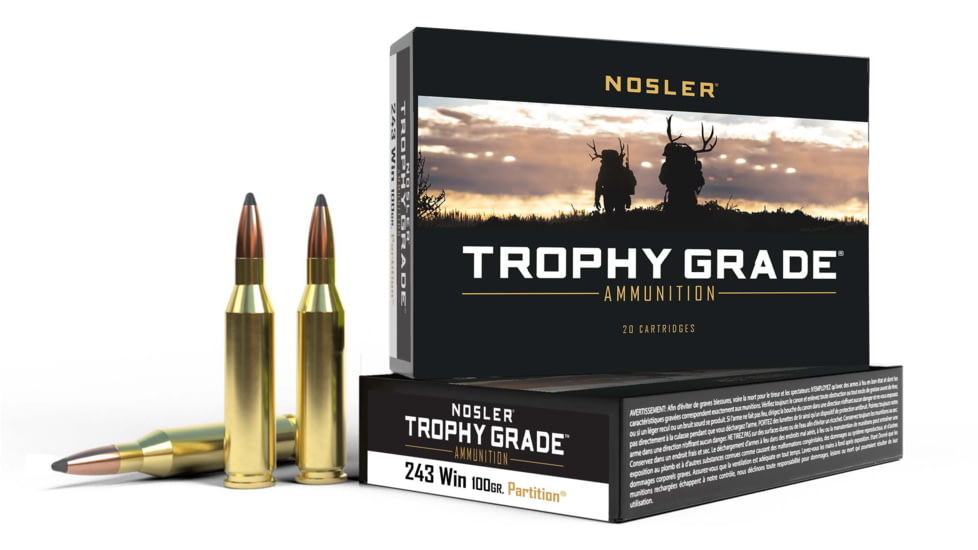
Nosler is a premium brand known for exceptional quality and innovation. Their
.243 Winchester line includes:
• Trophy Grade (loaded with Partition, AccuBond, or E-Tip bullets)
• Custom Competition (Match HPBT)
• Varmageddon (varmint hunting)
• Defense (home defense applications)
Nosler’s Partition bullet, designed by John Nosler in 1948, remains one of the
most trusted hunting bullet designs in the world. The .243 Winchester Trophy Grade
Partition load is considered a gold-standard whitetail and pronghorn load.
────────────────────────────────────────────────────────────────────────────────
OTHER NOTABLE MANUFACTURERS
────────────────────────────────────────────────────────────────────────────────
• Barnes Bullets (Mona, Utah) — TTSX and LRX all-copper loads; excellent
for states with lead-free hunting regulations.
• Sierra Bullets (Sedalia, Missouri) — GameKing and MatchKing bullets,
loaded by Federal, Hornady, and others.
• Berger Bullets (Fullerton, California) — High-BC target and hunting bullets.
• HSM Ammunition (Stevensville, Montana) — Wide variety, including specialty loads.
• Black Hills Ammunition (Rapid City, South Dakota) — Premium-grade loaded
ammunition, popular with precision shooters.
• Sig Sauer Ammunition — Relatively new player with Elite Hunter Tipped line.
HUNTING APPLICATIONS
6.1 WHITETAIL DEER HUNTING
────────────────────────────────────────────────────────────────────────────────
The .243 Winchester’s most common hunting application in America is whitetail deer
hunting. This is the role it was originally designed to fulfill, and it performs
the job admirably when used responsibly.
The consensus among experienced hunters and ballistics experts is that the .243
Winchester is effective for whitetail deer within 200–300 yards with appropriate
bullet selection and shot placement. The key considerations are:
BULLET SELECTION: A premium hunting bullet of 90–100 grains is strongly
recommended for deer hunting. Varmint bullets (55–70 gr) should NOT be used
for deer as they may cause superficial wounds without adequate penetration.
SHOT PLACEMENT: As with all deer cartridges, precise shot placement is essential.
Lung and heart shots are recommended. The .243 Winchester may lack the energy
reserves for marginal shots that larger calibers handle more forgivingly.
RANGE: The .243 Winchester retains approximately 1,000 ft-lbs of energy at
around 400 yards with a 100-grain load — a figure many ballistics authorities
cite as the minimum for ethical deer hunting. Within 300 yards, the cartridge
is entirely adequate for whitetail deer.
CONTROVERSY: Some hunters and state wildlife agencies have historically
questioned whether .243 Winchester is adequate for deer. Some states (discussed
in Section 13) have minimum caliber requirements that the .243 Winchester must
meet. Used properly with quality ammunition, it is a capable deer round. Used
carelessly with varmint bullets or at extreme ranges, it can cause wounded deer.
────────────────────────────────────────────────────────────────────────────────
6.2 MULE DEER AND PRONGHORN
────────────────────────────────────────────────────────────────────────────────
On the open plains and high deserts of the American West, the .243 Winchester
excels on mule deer and pronghorn antelope. The flat trajectory is an enormous
advantage in open country where shots may stretch to 250–350 yards. Premium
95–100 grain loads are the standard recommendation for these applications.
────────────────────────────────────────────────────────────────────────────────
6.3 BLACK BEAR
────────────────────────────────────────────────────────────────────────────────
Black bear hunting with .243 Winchester is practiced by some hunters, but it
is considered a minimum for this application by most experts. Bears are tough
animals with thick hide and dense musculature, and the .243 Winchester should
be limited to shots under 150 yards on black bear, with only the heaviest,
most deeply penetrating premium bonded bullets (95–100 gr). Many experienced
bear hunters prefer larger calibers.
────────────────────────────────────────────────────────────────────────────────
6.4 VARMINT AND PREDATOR HUNTING
────────────────────────────────────────────────────────────────────────────────
This is arguably where the .243 Winchester truly shines as a dual-purpose round.
For varmint hunters targeting prairie dogs, ground squirrels, and woodchucks, the
.243 Winchester with a 55–75 grain V-MAX or Ballistic Tip is devastating. The
combination of flat trajectory, high velocity, and explosive expansion makes it
one of the finest varmint cartridges available.
For coyote hunters — one of the most popular hunting sports in the USA — the .243
Winchester occupies a sweet spot. It offers more range and energy than the .223
Remington, while producing less pelt damage than extremely explosive .22 caliber
varmint loads, making it attractive to hunters who wish to sell or tan hides.
6.5 YOUTH HUNTING
The .243 Winchester has introduced more American young hunters to big game hunting
than perhaps any other centerfire cartridge. Its gentle recoil, moderate noise
levels compared to larger magnums, and full capability for deer-sized game make
it the ideal “first deer rifle” cartridge. Many hunting families have a treasured
.243 Winchester that has been passed down through generations.
TARGET SHOOTING AND VARMINT CONTROL
7.1 BENCHREST AND F-CLASS SHOOTING
While modern wildcats and purpose-built match cartridges like the 6mm Creedmoor rounds
have largely supplanted the .243 Winchester in serious F-Class and precision rifle
competition, the .243 Winchester remains competitive at club-level matches and
among shooters who prefer factory rifles and ammunition over custom equipment.
The 105-grain Hornady BTHP Match or the Sierra 105-grain MatchKing can deliver
sub-MOA accuracy in a quality rifle, and many shooters have used these loads to
achieve excellent results at ranges from 100 to 600 yards.
7.2 PLINKING AND RECREATIONAL SHOOTING
The relatively low recoil of the .243 Winchester makes it a pleasure to shoot
recreationally. While ammunition costs more than rimfire options, many American
shooters enjoy taking their .243 to the range for informal long-range target
practice. The cartridge’s flat trajectory makes it easy to connect at 200–400
yards, providing satisfying long-range shooting without demanding the full
precision shooting skill set required by truly extreme-range cartridges.
7.3 PEST AND INVASIVE SPECIES CONTROL
Across America’s agricultural heartland, the .243 Winchester plays a practical
role in wildlife management. Farmers and ranchers in states from Nebraska to
Texas use the .243 Winchester for:
• Prairie dog control on ranch land (protects cattle from breaking legs in burrows)
• Coyote and fox population management (reduces livestock predation)
• Woodchuck and groundhog control (protects crops and hay fields)
• Feral hog management in southern states (the cartridge is considered a minimum
for mature feral hogs, which can exceed 200 lbs)
RIFLE PLATFORMS CHAMBERED IN .243 WINCHESTER
The .243 Winchester is chambered in an enormous variety of American rifles, from
budget-friendly entry-level models to fine custom-built precision instruments.
• Winchester Model 70 — The original, the classic. The “Rifleman’s Rifle.”
Still produced today in multiple configurations.
• Remington Model 700 — One of the most popular bolt-action rifle actions
in American history. The 700 in .243 Winchester has been a cornerstone
of American deer hunting for decades.
• Savage Arms 110 Series — Known for outstanding factory accuracy at
accessible price points. The AccuTrigger is a genuinely excellent factory
trigger. Excellent value for the money.
• Browning X-Bolt — A premium option with a smooth action and exceptional
accuracy. Popular with hunters who want a step above entry-level.
• Tikka T3x — Finnish-made (imported by Beretta USA), renowned for
outstanding accuracy straight from the box.
• Ruger American Rifle — Extremely affordable, very accurate, and
widely available. A popular youth deer rifle in .243 Winchester.
• Weatherby Vanguard — Guaranteed 1 MOA accuracy with factory loads.
Outstanding value in the mid-tier market.
• Bergara B-14 Series — Spanish-made rifles that have earned a strong
reputation for exceptional accuracy at competitive prices.
• Custom Rifles — Custom gunbuilders across America regularly build
precision .243 Winchester rifles on actions like the Remington 700,
Winchester 70, and Bat Machine actions for clients seeking maximum
accuracy potential.
────────────────────────────────────────────────────────────────────────────────
SEMI-AUTOMATIC RIFLES
────────────────────────────────────────────────────────────────────────────────
• Browning BAR MK3 — A premium gas-operated semi-auto hunting rifle;
the BAR has been produced in .243 Winchester and is popular for
quick follow-up shots while hunting.
• Remington 750 Woodsmaster — A more affordable American-made semi-auto
option that has been produced in .243 Winchester.
────────────────────────────────────────────────────────────────────────────────
SINGLE-SHOT RIFLES
────────────────────────────────────────────────────────────────────────────────
• Ruger No. 1 — A premium single-shot falling-block rifle with a long
history of production in .243 Winchester. Treasured by collectors and
hunters alike.
• Thompson/Center Encore — A versatile interchangeable-barrel platform;
.243 Winchester barrels are among the most popular choices.
• CVA Scout — An inexpensive single-shot option popular as an entry-level
youth hunting rifle.
────────────────────────────────────────────────────────────────────────────────
LEVER-ACTION RIFLES
────────────────────────────────────────────────────────────────────────────────
• Winchester Model 88 — The original lever-action .243 Winchester.
No longer in production but prized by collectors.
• Winchester Model 99 — Another historic lever-action chambering.
────────────────────────────────────────────────────────────────────────────────
YOUTH RIFLES
────────────────────────────────────────────────────────────────────────────────
• Mossberg Patriot Youth Bantam — Scaled-down stock dimensions, very
affordable, .243 Winchester chambering. Outstanding for introducing
young hunters.
• Ruger American Compact — Short action length with a slightly reduced
stock for younger or smaller-framed shooters.
• Savage Axis Youth — Budget-friendly entry-level option with good
accuracy for the price.
COMPARING .243 WINCHESTER TO SIMILAR CARTRIDGES
Understanding the .243 Winchester’s place in the cartridge landscape requires
comparison to its most significant contemporaries and competitors.
────────────────────────────────────────────────────────────────────────────────
.243 WINCHESTER vs. 6mm CREEDMOOR
────────────────────────────────────────────────────────────────────────────────
The 6mm Creedmoor is the modern successor in many respects, optimized for
long-range precision shooting with high-BC bullets. It can achieve slightly
higher velocities with heavy-for-caliber bullets and has dominated precision
rifle competition in recent years.
.243 Winchester advantages:
+ Enormously wider rifle and ammunition availability
+ Lower ammunition cost
+ More historical data and proven hunting track record
+ Compatible with standard .308-length actions
6mm Creedmoor advantages:
+ Better optimized for heavy, high-BC match bullets
+ Slightly more velocity with 103-108 grain bullets
+ More modern case geometry
Verdict: For hunting and general use, they are virtually equivalent.
For serious precision competition, 6mm Creedmoor has an edge.
────────────────────────────────────────────────────────────────────────────────
.243 WINCHESTER vs. .308 WINCHESTER
────────────────────────────────────────────────────────────────────────────────
.243 Winchester advantages:
+ Half the recoil of the .308
+ Flatter trajectory
+ Superior varmint capability
+ Better for recoil-sensitive shooters
.308 Winchester advantages:
+ More energy for larger game
+ Wider selection of bullet weights
+ Better for large or tough game
+ More tolerant of marginal shots
Verdict: For deer-sized game and smaller, .243 is entirely adequate
and far more pleasant to shoot. For elk, moose, or large bears,
the .308 (or larger) is more appropriate.
────────────────────────────────────────────────────────────────────────────────
.243 WINCHESTER vs. .25-06 REMINGTON
────────────────────────────────────────────────────────────────────────────────
Both are long-range, flat-shooting deer cartridges. The .25-06 fires larger
.257-inch bullets and hits with somewhat more energy, but the .243 Winchester
has a wider selection of ammunition, more rifle options, and lower recoil.
────────────────────────────────────────────────────────────────────────────────
.243 WINCHESTER vs. .223 REMINGTON
────────────────────────────────────────────────────────────────────────────────
The .223 Remington is generally considered too light for deer-sized game by most
wildlife agencies and ethical hunters. The .243 Winchester occupies the next tier
up — providing the extended-range varminting capability of the .223 with the
additional energy needed for ethical deer hunting.
────────────────────────────────────────────────────────────────────────────────
.243 WINCHESTER vs. .260 REMINGTON
────────────────────────────────────────────────────────────────────────────────
The .260 Remington uses .264-inch bullets and offers more energy for larger game,
but never achieved the commercial success of the .243 Winchester. Ammunition and
rifle availability in .260 Remington is far more limited.
BUYING .243 WINCHESTER AMMO IN THE USA: WHERE AND HOW
────────────────────────────────────────────────────────────────────────────────
10.1 BRICK-AND-MORTAR RETAIL STORES
────────────────────────────────────────────────────────────────────────────────
• Cabela’s / Bass Pro Shops — The largest outdoor retail chains in America.
Typically carry a broad selection of .243 Winchester, including Federal,
Winchester, Remington, Hornady, and Nosler loads.
• Academy Sports + Outdoors — Primarily in the South and Midwest; good
selection of hunting and practice ammunition at competitive prices.
• Sportsman’s Warehouse — Western-focused sporting goods chain with
excellent ammunition selection.
• Walmart — Carries a limited but affordable selection of common hunting
loads (typically Winchester Super-X, Federal Power-Shok, Remington Core-Lokt).
Often the most affordable source for common loads.
• Local Gun Shops (LGS) — Independent gun shops often carry a curated
selection and may be able to special-order specific loads. Staff are
usually knowledgeable and helpful.
────────────────────────────────────────────────────────────────────────────────
10.2 ONLINE RETAILERS
────────────────────────────────────────────────────────────────────────────────
Online shopping offers the widest possible selection and often the best prices,
though buyers must factor in shipping costs and state-specific regulations.
Top Online Retailers (as of 2026):
• MidwayUSA (Columbia, Missouri) — The gold standard for online ammunition
and reloading supply retail. Enormous selection.
• Brownells (Montezuma, Iowa) — Primarily a gunsmithing supply company
that also stocks extensive ammunition.
• Natchez Shooting Supplies — Competitive prices, reliable shipping.
• Lucky Gunner — No-hassle online ammo retail with detailed inventory tracking.
• Palmetto State Armory — Great deals, particularly on bulk orders.
• AmmoSeek.com — A price aggregator that searches dozens of retailers
simultaneously to find the lowest current price.
• GunBroker.com — The “eBay of guns”; individual sellers and dealers list
ammunition at competitive prices.
NOTE: Federal law requires that ammunition be shipped to an adult
(age 21+). Some states have additional restrictions on online ammunition
purchases (see Section 13).
────────────────────────────────────────────────────────────────────────────────
10.3 TIPS FOR BUYING WISELY
────────────────────────────────────────────────────────────────────────────────
- BUY IN BULK — Per-round cost drops significantly when buying 200 rounds
or more. Especially valuable for practice and range use. - MATCH AMMO TO PURPOSE — Do not buy varmint ammo for deer hunting.
Buy purpose-appropriate ammunition for each application. - TEST BEFORE THE SEASON — Different rifles have different preferences.
Test multiple loads in your specific rifle before hunting season to
identify which produces the best accuracy. - CHECK CURRENT INVENTORY — Ammunition availability has been inconsistent
in recent years. AmmoSeek.com provides real-time inventory tracking. - AVOID PANIC BUYING — During periods of shortage (which the USA has
experienced several times in the past two decades), inflated prices
tempt panic buying. Maintain a moderate reserve and avoid overpaying.
PRICE GUIDE AND MARKET TRENDS
TYPICAL RETAIL PRICE RANGES (2026)
Budget/Value Loads (Remington Core-Lokt, Winchester Super-X):
20-round box: $20–$28
Per round: $1.00–$1.40
Mid-Range Loads (Federal Power-Shok, Hornady American Whitetail):
20-round box: $28–$38
Per round: $1.40–$1.90
Premium Hunting Loads (Federal Premium, Hornady Precision Hunter, Nosler):
20-round box: $38–$65
Per round: $1.90–$3.25
Match/Target Loads (Hornady Match, Black Hills):
20-round box: $35–$55
Per round: $1.75–$2.75
Steel-Case Budget (Tulammo):
20-round box: $12–$18
Per round: $0.60–$0.90
────────────────────────────────────────────────────────────────────────────────
MARKET TRENDS AND AVAILABILITY
────────────────────────────────────────────────────────────────────────────────
The American ammunition market has experienced significant volatility in recent
years. The COVID-19 pandemic (2020–2021) triggered a historic shortage of
virtually all ammunition, including .243 Winchester, with prices doubling or
tripling in some cases. The market gradually normalized through 2022–2024.
As of 2026, .243 Winchester is generally well-stocked at major retailers. The
cartridge’s enduring popularity ensures that manufacturers maintain consistent
production. Premium loads from Hornady, Federal, and Nosler remain in greatest
demand and sell out fastest during periods of elevated demand.
The trend in premium ammunition has been toward higher BC bullets (ELD-X, ELD-M,
AccuBond Long Range) and lead-free options (Barnes TTSX, Hornady GMX) driven by
both performance demands and expanding lead-free hunting regulations.
RELOADING .243 WINCHESTER
For serious .243 Winchester enthusiasts, handloading (reloading) offers the
ability to custom-tailor ammunition for specific rifles, purposes, and preferences,
often at a lower per-round cost than factory premium ammunition.
────────────────────────────────────────────────────────────────────────────────
12.1 WHY RELOAD .243 WINCHESTER?
────────────────────────────────────────────────────────────────────────────────
• COST SAVINGS: Once equipment is purchased, loaded rounds can often be
produced for 40–60% of premium factory ammunition cost.
• ACCURACY OPTIMIZATION: Handloads can be fine-tuned to the exact throat,
twist rate, and preferences of a specific rifle, often producing
smaller groups than any factory load.
• BULLET SELECTION: Reloaders have access to the full range of bullets
from every manufacturer, far beyond what is available in factory loads.
• CUSTOMIZATION: Powder charges, seating depths, and case preparation
can all be adjusted to optimize performance.
────────────────────────────────────────────────────────────────────────────────
12.2 COMPONENT OVERVIEW
────────────────────────────────────────────────────────────────────────────────
BRASS CASES:
Brass for .243 Winchester is made by Winchester, Remington, Federal, Nosler,
Hornady, Lapua (Finnish, considered among the finest available), and Norma
(Swedish). Lapua and Norma are premium options for serious accuracy work.
PRIMERS:
Large Rifle primers are standard. Federal 210M (match), CCI BR-2, and
Remington 9½ are popular choices. Magnum primers are not typically used.
POWDER:
The .243 Winchester responds well to several powder types:
• IMR 4350, H4350 — Excellent for 95–105 grain bullets
• IMR 4831, H4831 — Slower-burning option for heavier bullets
• Varget — Works well with lighter to mid-weight bullets
• Reloder 22 — Popular for heavy bullet loads
BULLETS:
The full range of .243-inch bullets is available, from 55-grain Hornady V-MAX
to 115-grain custom boat-tails. The most popular reloading bullets include:
• Sierra GameKing (hunting)
• Sierra MatchKing (target)
• Hornady ELD-X (hunting) and ELD-M (target)
• Nosler Partition (hunting) and Custom Competition (target)
• Berger VLD (hunting and target)
• Barnes TTSX (lead-free hunting)
────────────────────────────────────────────────────────────────────────────────
12.3 RELOADING RESOURCES
────────────────────────────────────────────────────────────────────────────────
Several excellent reloading manuals contain extensive .243 Winchester data:
• Lyman Reloading Handbook (50th Edition)
• Hornady Handbook of Cartridge Reloading (10th Edition)
• Sierra Bullets Reloading Manual (6th Edition)
• Nosler Reloading Guide
• Hodgdon Annual Manual
Online Resources:
• Hodgdon Powder Load Data Center (hodgdon.com)
• Reloadersnest.com
• Accurate Shooter Forum
SAFETY WARNING: Always begin at starting loads listed in established
manuals. Never exceed maximum loads. Always use current data from
published sources, not internet forums alone.
LEGAL CONSIDERATIONS ACROSS US STATES
────────────────────────────────────────────────────────────────────────────────
13.1 FEDERAL LAW
────────────────────────────────────────────────────────────────────────────────
• Ammunition purchases require buyer to be 18+ (rifle/shotgun) or 21+
(handgun ammunition; .243 Winchester does not apply here).
• No federal licensing required to purchase rifle ammunition.
• Online purchases must be shipped to an address in compliance with
applicable state and local laws.
• Federally prohibited: armor-piercing ammunition (not applicable to
standard .243 Winchester loads).
────────────────────────────────────────────────────────────────────────────────
13.2 STATE HUNTING REGULATIONS
────────────────────────────────────────────────────────────────────────────────
Several states have minimum caliber requirements for deer hunting. In most cases,
.243 Winchester meets or exceeds these minimums, but hunters should always verify
current regulations in their state before hunting.
States known to have had minimum caliber/energy requirements historically
(ALWAYS verify current regulations directly with your state wildlife agency):
• OHIO: Has historically required a minimum .357 caliber for deer hunting
with centerfire rifle in certain zones. Straight-wall cartridge restrictions
in some zones exclude the .243 Winchester. Verify current regulations carefully.
• MICHIGAN: Specific regulations by zone; some zones allow rifles only
within certain caliber and energy parameters.
• INDIANA: Has historically restricted to straight-wall cartridges for deer
in many zones; .243 Winchester may not be permitted. Check current regulations.
• IOWA: Similar straight-wall cartridge restrictions in certain zones.
In most other states (including all southern, western, and most midwestern
states), the .243 Winchester is a fully legal and unrestricted deer hunting
cartridge.
────────────────────────────────────────────────────────────────────────────────
13.3 LEAD-FREE HUNTING REQUIREMENTS
────────────────────────────────────────────────────────────────────────────────
• CALIFORNIA: Lead-free (non-toxic) ammunition is required for all hunting
throughout the state. Hunters using .243 Winchester in California must use
lead-free options such as Barnes TTSX, Federal Trophy Copper, or Hornady GMX.
• Some other states and national forests have specific lead-free zones.
Always check local regulations before hunting.
────────────────────────────────────────────────────────────────────────────────
13.4 SPECIFIC STATE AMMUNITION PURCHASE LAWS
────────────────────────────────────────────────────────────────────────────────
• ILLINOIS: Background check required for ammunition purchases.
• NEW YORK: SAFE Act requirements; online ammunition purchases must
be shipped to a licensed dealer.
• NEW JERSEY: Must possess a Firearms Purchaser Identification Card
to purchase rifle ammunition.
• HAWAII: In-person purchase required; online purchases must go through
a licensed dealer.
NOTE: Ammunition laws change frequently. Always consult the most current
state statutes or a licensed attorney for definitive legal guidance.
TIPS FOR NEW SHOOTERS AND HUNTERS
If you are new to the .243 Winchester — whether as a first centerfire rifle or
a cartridge you are adding to your collection — here is practical advice to
help you get the most out of it:
────────────────────────────────────────────────────────────────────────────────
FOR THE NEW DEER HUNTER
────────────────────────────────────────────────────────────────────────────────
- START WITH A QUALITY FACTORY HUNTING LOAD. Remington Core-Lokt 100 gr,
Winchester Super-X 100 gr Power-Point, or Federal Fusion 85 gr are
all reliable, affordable, and effective for whitetail deer. You do not
need premium loads to kill deer effectively. - ZERO AT 200 YARDS. A 200-yard zero keeps the bullet within 2-3 inches
of point-of-aim from 0 to 250 yards — ideal for most deer hunting
situations. - PRACTICE REGULARLY. The .243 Winchester’s low recoil means you have
no excuse not to practice. Shoot at least 20–30 rounds of your hunting
load before deer season. - KNOW YOUR LIMITS. The .243 Winchester is not a “spray and pray”
cartridge. Ethical hunting means making clean shots at reasonable distances.
If you cannot consistently hit a 6-inch circle at a given range, do not
take that shot on an animal. - NEVER USE VARMINT BULLETS FOR DEER. This bears repeating. The difference
between a 55 gr V-MAX and a 100 gr hunting bullet is the difference
between wounding and cleanly killing a deer.
────────────────────────────────────────────────────────────────────────────────
FOR THE VARMINT SHOOTER
────────────────────────────────────────────────────────────────────────────────
- For prairie dogs and ground squirrels, the 55-75 grain range offers
maximum velocity and explosive expansion. - For coyotes (particularly if you want to preserve the hide), consider
a 70-80 grain expanding bullet for less pelt damage. - Match your bullet to your barrel twist. Most factory .243 rifles have
1:10 twist rates, which stabilize bullets from 55 to 105 grains.
Slower twist barrels (1:12) may not stabilize heavy bullets adequately.
────────────────────────────────────────────────────────────────────────────────
FOR THE YOUTH SHOOTER
────────────────────────────────────────────────────────────────────────────────
- Fit is critical. Make sure the rifle stock fits the young shooter properly.
A rifle that is too long will be difficult to control. - Start at the range, not in the field. Let young shooters gain confidence
with the rifle at a shooting range before taking it hunting. - Ear protection is not optional. Hearing damage from rifle fire is
cumulative and permanent. Always use quality hearing protection. - The .243 Winchester’s mild recoil greatly reduces flinching — the most
common accuracy problem for new shooters. This is one of its greatest
advantages as a youth cartridge.
────────────────────────────────────────────────────────────────────────────────
GENERAL CARE AND MAINTENANCE TIPS
────────────────────────────────────────────────────────────────────────────────
• Clean the barrel after every range session.
• Inspect brass (if reloading) for cracks, dents, and primer pocket condition.
• Store ammunition in a cool, dry place away from heat, moisture, and petroleum.
• Rotate your stock — use older ammunition first.
• Do not shoot steel-case ammunition in rifles intended primarily for accuracy;
it can wear the extractor and chamber over time.
CONCLUSION AND FINAL THOUGHTS
The .243 Winchester is one of the true greats of American cartridge history. In
seven decades of service, it has introduced millions of hunters to the sport,
anchored hunting traditions across generations, and proven its worth on everything
from thumb-sized prairie dogs to wide-racked whitetail bucks. Its longevity in
the marketplace is testament to a fundamentally sound design: a case that is
efficient, versatile, easy to manufacture, and capable of driving a wide range
of bullets to spectacular velocities with modest recoil.
In an era of constant cartridge innovation — when new wildcats and proprietary
cartridges appear seemingly every month — the .243 Winchester stands as an example
of a design so well-balanced that it needed no replacement, only improvement in
the bullets and propellants available to feed it. Modern premium bullets like
the Hornady ELD-X, Federal Terminal Ascent, and Nosler AccuBond Long Range have
taken an already capable cartridge and made it even more formidable.
If you are looking for a cartridge that will:
✓ Harvest whitetail deer cleanly and effectively
✓ Reach out to 300+ yards with a flat trajectory
✓ Control varmints on the farm or the prairie
✓ Introduce a young or recoil-sensitive shooter to hunting
✓ Perform reliably in rifles ranging from $350 to $3,500
✓ Be available in virtually every sporting goods store in America
…then the .243 Winchester remains, after all these years, one of the best
possible answers.
It is not the most powerful cartridge. It is not the flashiest or the newest.
But in the hands of a capable hunter using appropriate ammunition and making
ethical shots, the .243 Winchester is entirely capable, deeply satisfying,
and thoroughly American.
================================================================================
SOURCES AND FURTHER READING
• “Cartridges of the World” — Frank C. Barnes (16th Edition)
• Hornady Handbook of Cartridge Reloading (10th Edition)
• Federal Ballistics Calculator — ballistics.federalpremium.com
• SAAMI Cartridge & Chamber Drawings — saami.org
• Hodgdon Powder Load Data — hodgdon.com
• Chuck Hawks’ Rifle Cartridges Encyclopedia — chuckhawks.com
• American Hunter Magazine — americanhunter.org
• Outdoor Life — outdoorlife.com
• Field & Stream — fieldandstream.com
• State Wildlife Agency Hunting Regulations (varies by state)
================================================================================
© 2026 — This Blog Was Produced as an Educational Resource by Target Ammo Store USA.
Always follow all applicable federal, state, and local laws